
Painters, Ports, and Profits: Artists and the East India Company, 1750-1850
Published on February 6, 2026
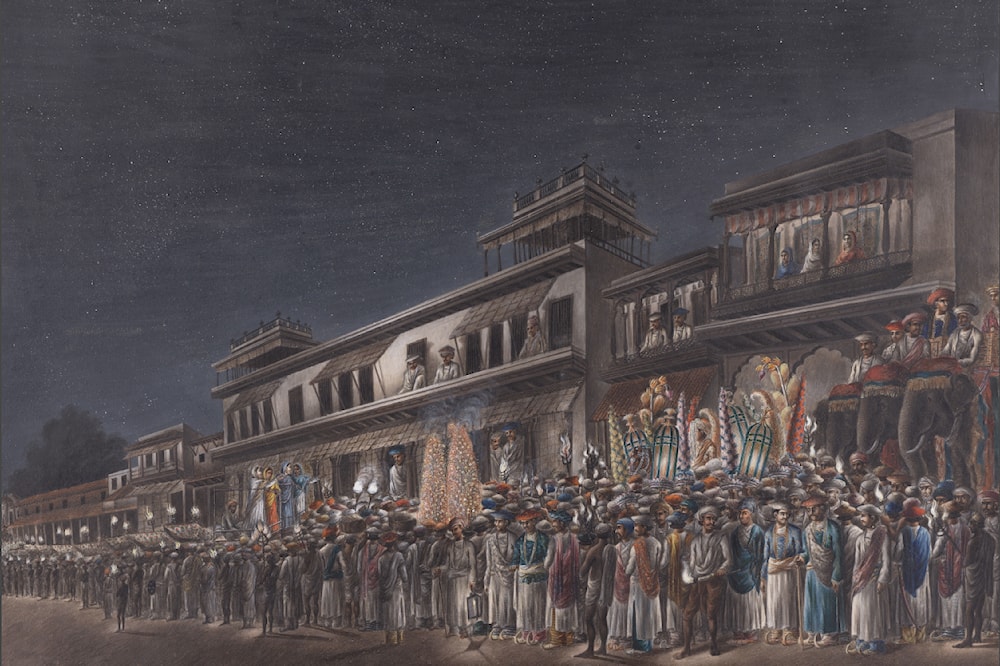
This exhibition tells the story of artists from India, Britain, and China who worked in the era of one of the most powerful corporations in history. The British East India Company began in 1600 as a private trading enterprise but grew into a military and political force during the eighteenth and nineteenth centuries. It waged war to rule India and sell opium in China. To support its commercial and imperial goals, the Company encouraged its agents to commission art. Works of art depicted commodities, functioned as gifts to ease trade deals and build alliances, and visually recorded the places and societies where the Company traded and governed.
The artists featured here trained in Indian courts, in art and military institutes in Britain, and in Chinese workshops. In their artistic exchanges, they combined regional methods with new materials and techniques. This exhibition, of more than one hundred objects, is mostly drawn from the YCBA’s rich collection of works from Asia, including rich opaque watercolors, large-scale oil portraits, evocative architectural drafts and a spectacular thirty-seven-foot-long scroll. It takes visitors on a journey through port cities and into the worlds of artists, showing how artists shaped, and were shaped by, the Company’s ruthless ventures while creating artworks of great beauty and innovation.
The exhibition runs from January 8 – June 21, 2026 at the Yale Center for British Art, 1080 Chapel Street, New Haven, CT.
To view more about this exhibition, click here.
For more events and exhibitions, visit the ARC Calendar.